


 Glen Uebergang, Northern Tablelands LLS Mixed Farming Officer
With many parts of the Northern Slopes and Tablelands receiving useful rainfall recently landholders may be considering planting summer forage crops. These can be grown to provide a bulk of quality feed to reduce the pressure on recovering perennial pastures, assist in controlling weeds and preparing a seedbed for planting pastures the following autumn, or for hay and silage.
Summer forages can produce large amounts of feed from a smaller area. Options available include forage millet, forage sorghum, pennisetum, cowpea, lablab and brassicas.
Different forage species vary in their minimum required soil temperature at planting. Millet requires 14 °C or greater, forage sorghum 16 °C, forage pennisetum 18 °C, and cow pea and lablab require 20 °C.
It is important that you measure the soil temperature where you intend to plant using a soil thermometer. The different species should be planted when the soil temperature at 8am at the intended seeding depth is greater than the minimum required for each species. The soil temperature should also be on a rising trend and the risk of frost has passed.
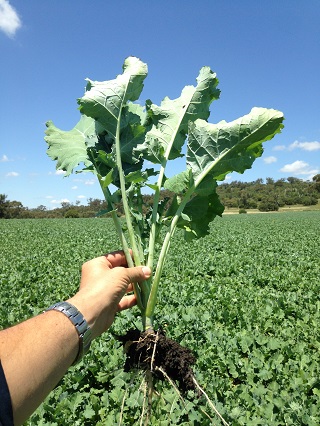
Planting into cold soil reduces germination, slows emergence and increases susceptibility to disease. Forage brassicas can be planted into colder soils but they will take longer to establish and to first graze compared to when planted into warmer soils.
Consideration should also be given to how the forage crops will be grazed for maximum benefit. The crops should be grazed while in a vegetative stage before they become too advanced and less palatable. It is a good idea to plant a few smaller paddocks, or use subdivisional fencing to allow a relatively short grazing period followed by a longer rest period allowing recovery to optimum growth stage.
Depending on the variety, summer forages may be used as a carryover feed into autumn while new pastures or winter forage crops are establishing. When crops are being cut for hay or silage they need to be cut at the recommended growth stage for each crop to achieve the best compromise between fodder quality and yield.
All growing plants present a risk of nitrate poisoning. The greatest risk is when hungry stock are moved onto forage grass types or brassicas where high rates of nitrogen fertiliser have been applied, high levels of nutrient has been taken up by the plants and plant growth is slowed by cool or overcast weather.
It is important not to overlook all the usual agronomic considerations when considering planting forage crops such as weed pressure, soil health, plant nutrition requirements and the long term plan and impact on the paddock. Ensure all logistical considerations such as access to seed, fertiliser and planting machinery is in order. The demand for forage seed is likely to be higher this season as producers are chasing quick feed and may want to let their perennial pastures recover.
If you would like to discuss your particular circumstances you can contact the Northern Tablelands Local Land Services agronomists Glen Uebergang on 0429 217 066, or Georgie Oakes on 0429 310 264. A Summer Forage Crop Options Land Fact is also available at www.northerntablelands.lls.nsw.gov.au/resource-hub/publications