

 The Environmental Impact Statement (EIS) for the New England Renewable Energy Zone (REZ) Network Infrastructure Project is on public exhibition until 12 November 2026.
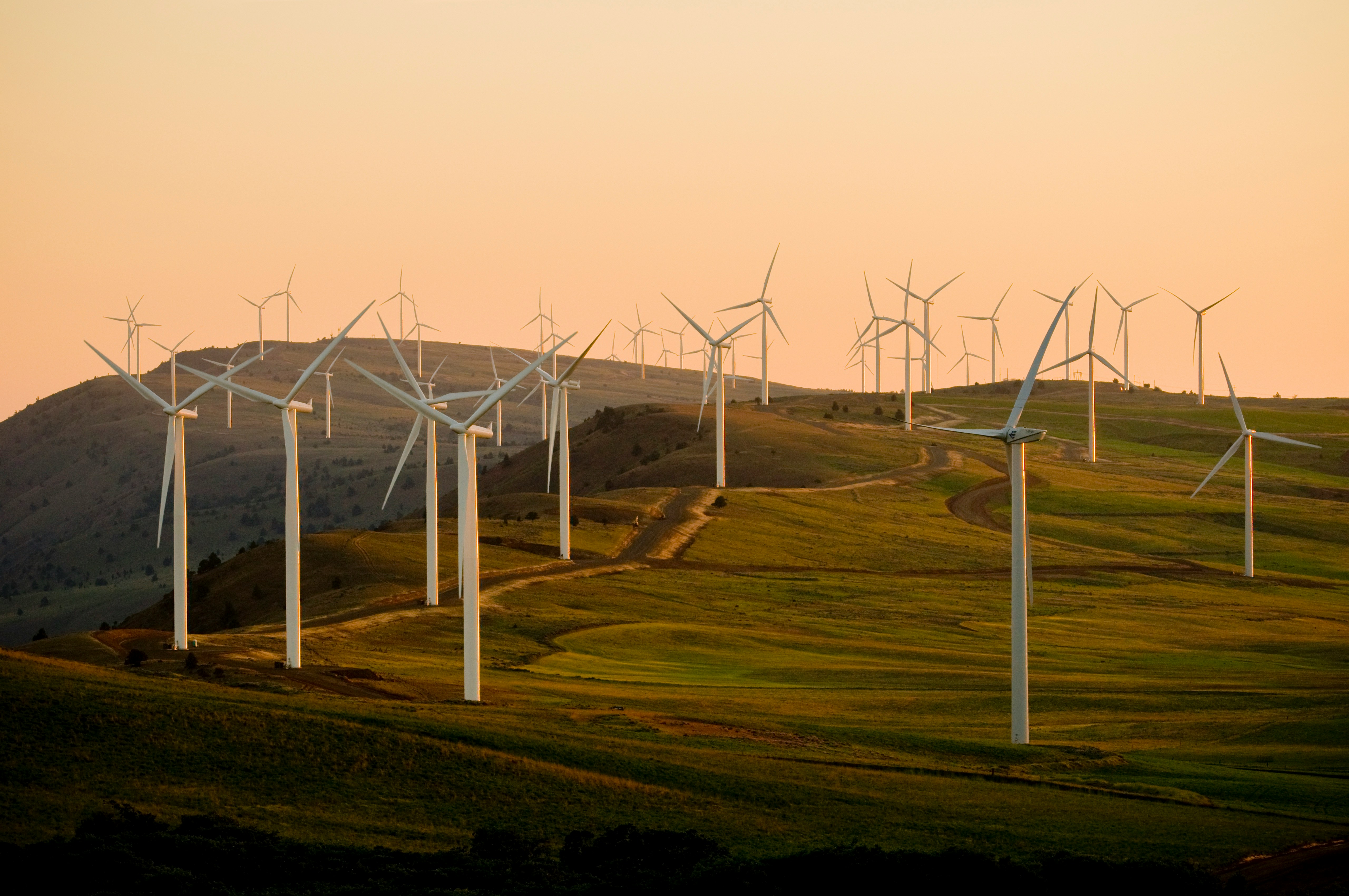
The project includes new high-voltage 550kva transmission lines, energy hubs to connect renewable energy generated in the New England REZ to the existing electricity grid near Muswellbrook and a series of temporary worker camps.
The EIS assesses potential environmental, social and economic impacts and outlines proposed measures to avoid, minimise and manage them.
Southern New England Landcare encourages community members, landholders and other interested stakeholders to learn about the proposal and take part in the consultation process.
Reviewing the EIS is an opportunity to understand the potential impacts on local communities, land and the environment, and share feedback with the NSW planning authorities.
Community information sessions and webinars
EnergyCo is holding information sessions across the region, where community members can view the EIS, speak with project specialists and ask questions. Online webinars will also cover topics including landholder questions and biodiversity and environmental impacts.
To view upcoming sessions and webinar times, check venues and register for webinars, visit the New England REZ engagement portal. Scroll down for the online and in person webinar topics and times.
How to have your say
You can access the EIS, technical reports, fact sheets and an interactive project map through the links below.
- Read the EIS and make a formal submission via the NSW Planning Portal
- Visit EnergyCo’s engagement portal for project information, maps, resources and consultation events
Submissions close on 12 November 2026. Formal submissions must be made through the NSW Planning Portal and late submissions will not be counted or considered.
Community feedback is an important part of the planning assessment process, helping ensure that local concerns and perspectives are considered as the project is assessed.
 Get Online Week is Good Things’ national campaign to close the digital divide. It supports people to feel safer and more confident online so no one is left behind.
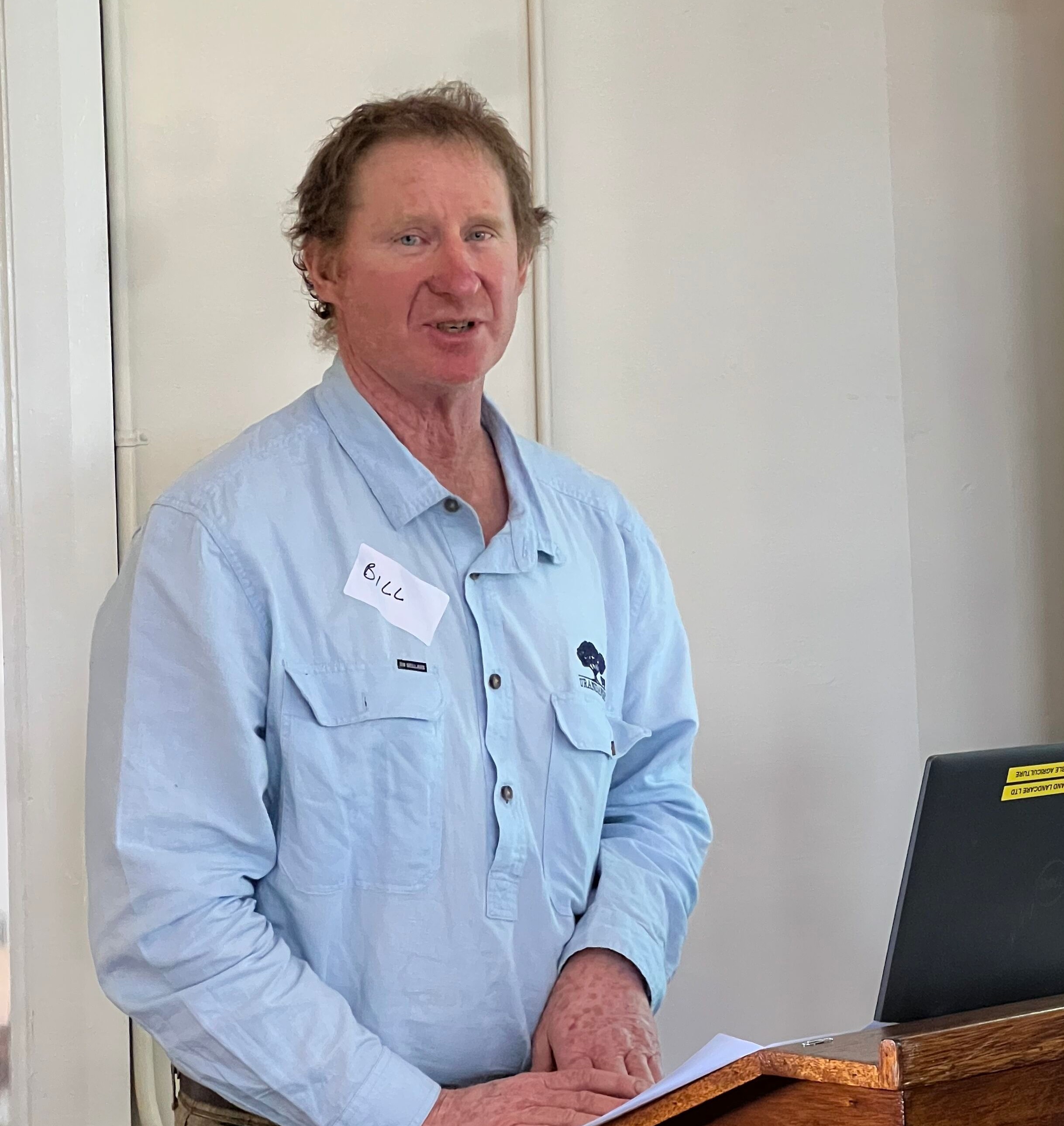 On 1 September, Bill Perrottet stepped down after 25 years as Group Representative for the Guyra Landcare Network (GLN), a sub-group of Southern New England Landcare Ltd, formerly known as the Malpas Catchment Group.
 Southern New England Landcare (SNEL) recognises the important history and contribution of the many Landcare groups that have supported their communities over the years.
 Guyra Landcare Network is pleased to announce that Graeme Sait, an internationally recognised educator in soil health, plant nutrition and regenerative farming, will deliver a 4-day workshop in Guyra from the 15th to 18th of September 2026.
 Farm dams are vital to productive and resilient farming systems,” said Struan Ferguson, Local Landcare Coordinator with Southern New England Landcare.
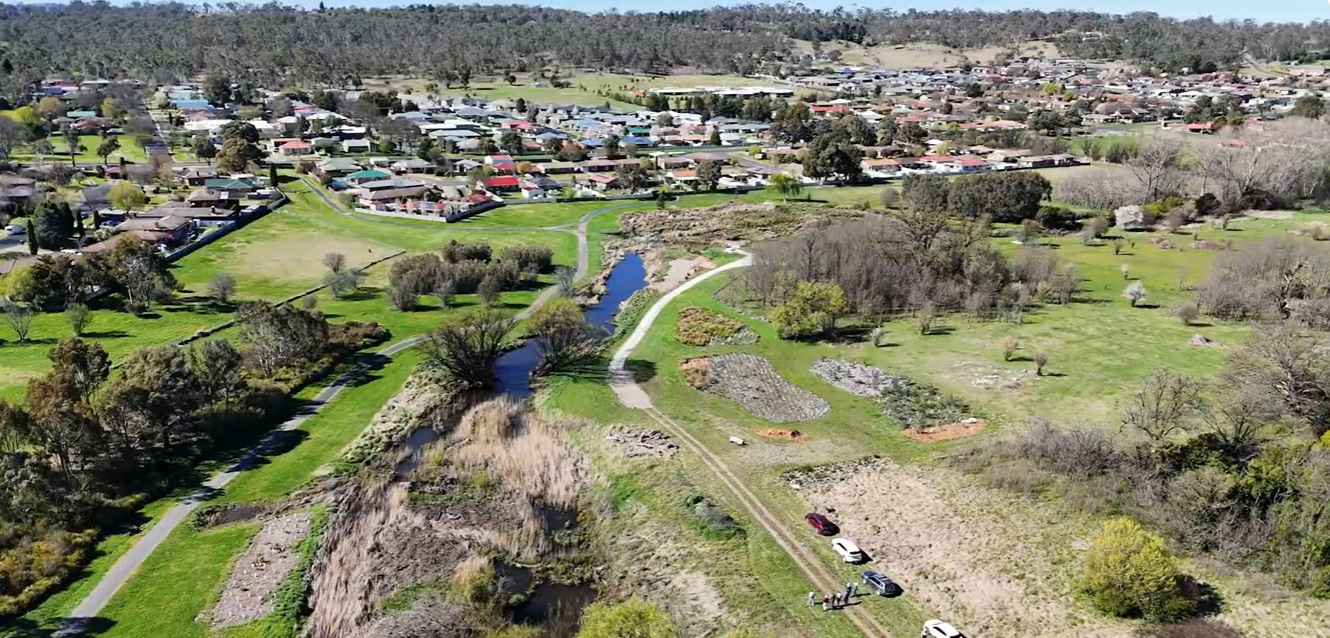 As part of Landcare Week, we have released the Celebrating Landcare in the Northern Tablelands Regional Film, which can be viewed
 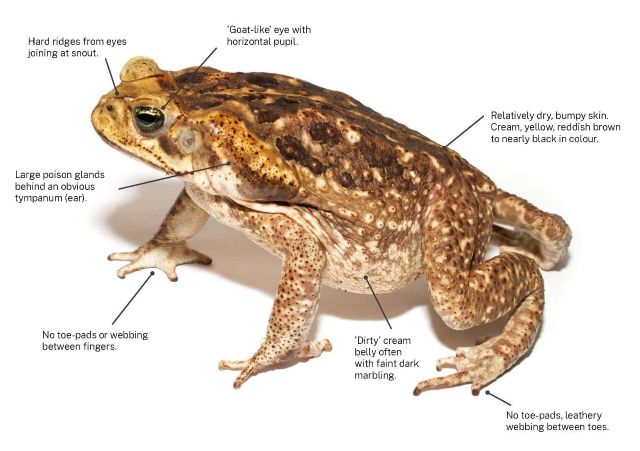 nue to spread through parts of northern New South Wales, with populations becoming established further inland than previously expected. While cane toads are not currently established around Armidale, landholders and community members across the Northern Tablelands have an important role to play in helping prevent their spread.
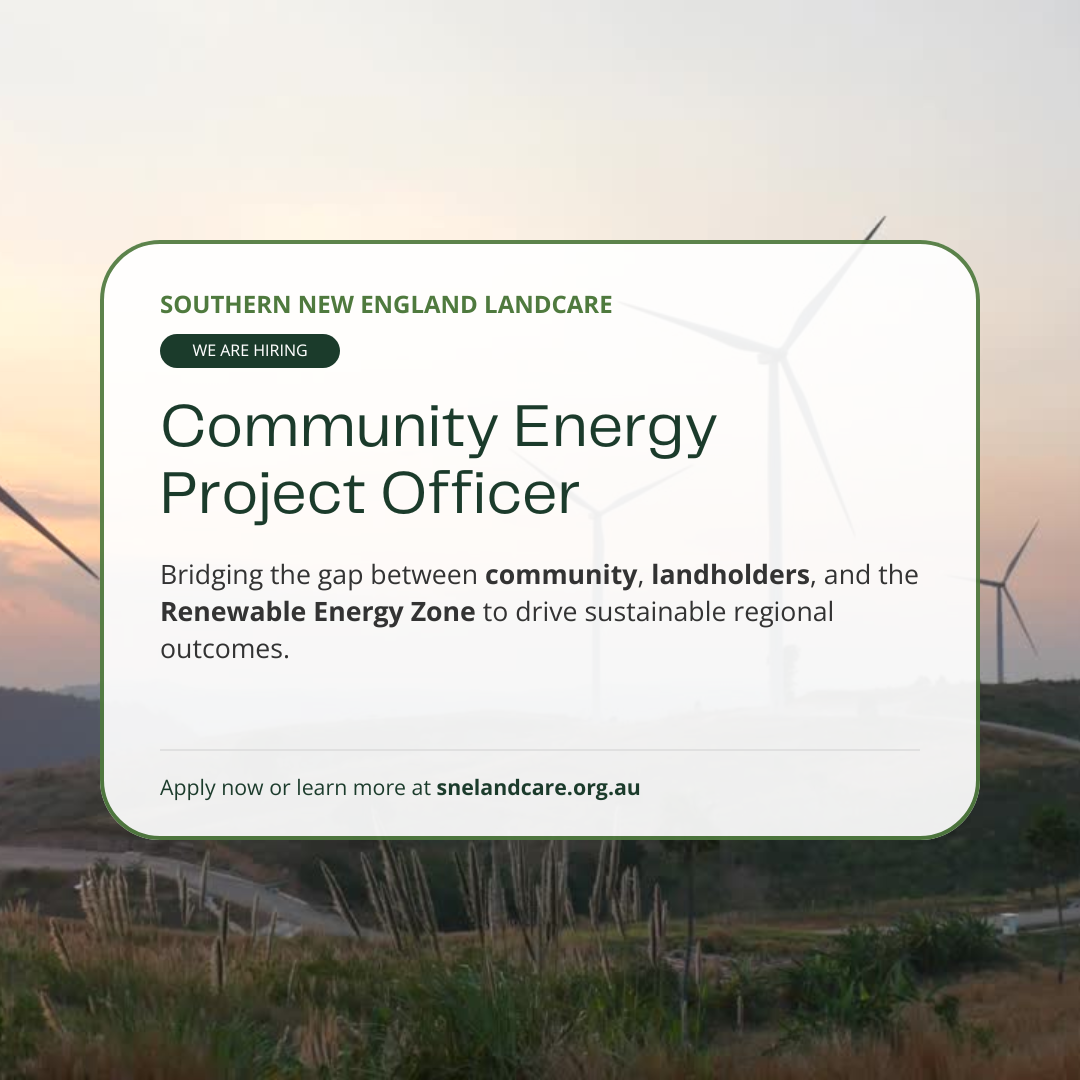 egion's Energy Future
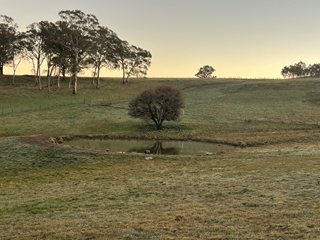 Would you like to improve one of your farm dams and help demonstrate practical enhancement options for other landholders?
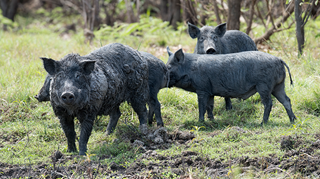 The NSW Government is developing a new NSW Biosecurity Strategy, outlining a whole of government approach to uplifting and improving the NSW biosecurity system.
 Landcare Week is fast approaching, and to celebrate, Southern New England Landcare would like to recognise the many local Landcare heroes making a difference across our region.
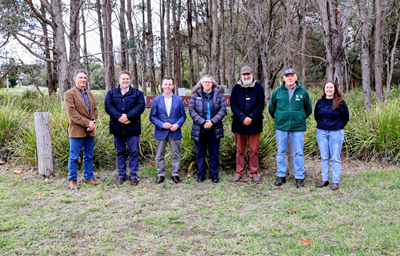 Member for Northern Tablelands Brendan Moylan has welcomed more than $1.7 million in funding for Landcare programs across the electorate under the latest round of the NSW Government’s Landcare Enabling Program.
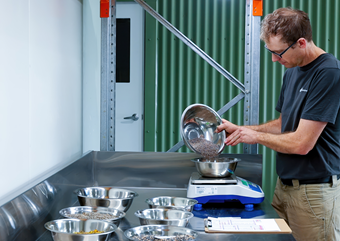 Australia’s environmental restoration efforts are accelerating, but a critical constraint threatens their success: the national supply of native seed is not keeping pace with rapidly growing demand.
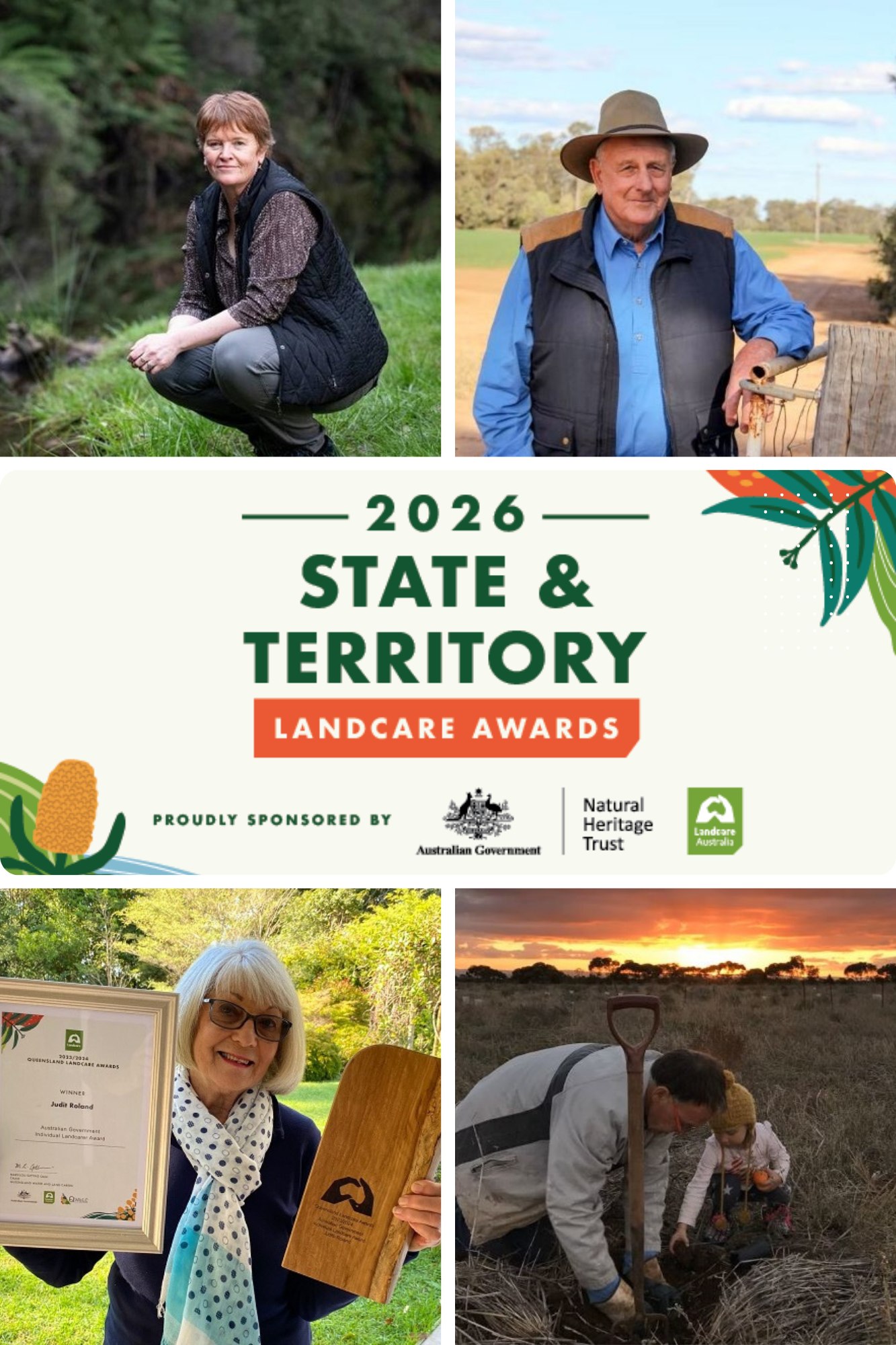 Nominations are now open for the 2026 State and Territory Landcare Awards.
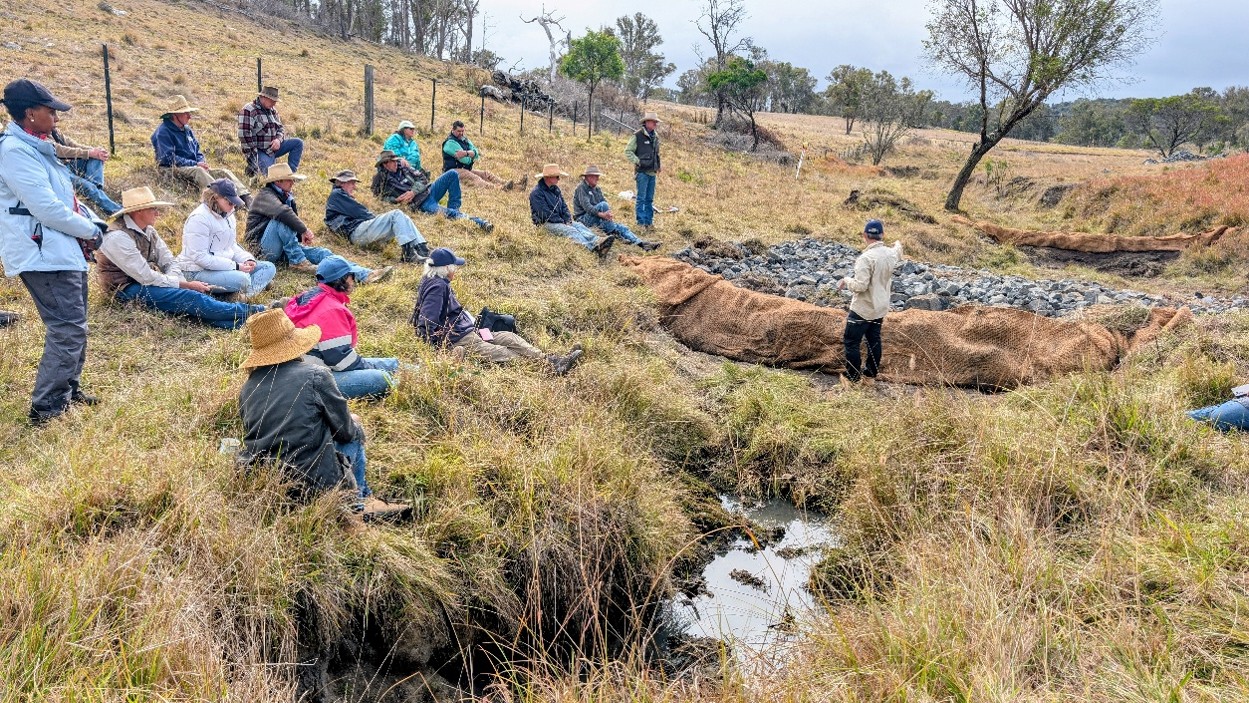
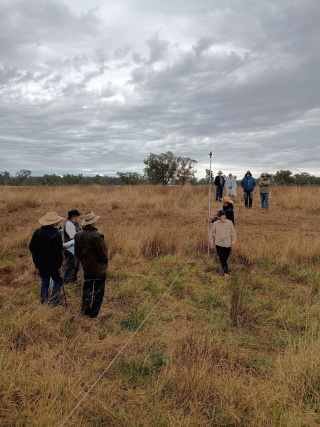 Local landholders have been taking part in a fully funded landscape rehydration program focussed on practical, on-farm approaches to improving water cycles, managing erosion, and building long-term landscape resilience.
 Southern New England Landcare is seeking a Local Landcare Coordinator to support and strengthen our network of community Landcare groups across the region.
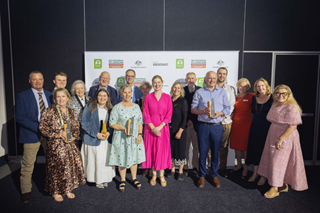 Now in its 32nd year, the State and Territory Landcare Awards stand as a prestigious biennial national Landcare Awards program.